Bed bug infestations in Charlotte require methodical eradication because Cimex lectularius hides deep inside wall voids, mattress seams, electrical faceplates, and floor trim. Relying exclusively on over-the-counter…
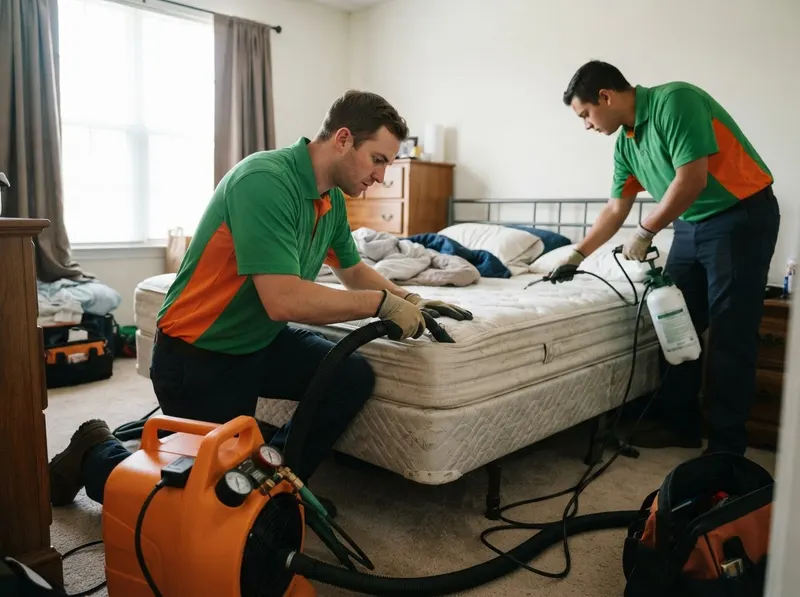
Bed bug infestations in Charlotte require methodical eradication because Cimex lectularius hides deep inside wall voids, mattress seams, electrical faceplates, and floor trim. Relying exclusively on over-the-counter pyrethroid foggers often drives bed bugs deeper into subflooring or adjacent units, worsening the problem. Thermal remediation functions by raising interior room temperatures to between 122°F and 135°F using industrial air-movers, maintaining that baseline for at least 90 minutes to denature proteins inside bed bugs and their eggs. Combining this thermal threshold with an insect growth regulator and non-repellent residual liquid creates an exhaustive barrier that neutralizes any specimens sheltering inside deep framing unreached by ambient heat.
Selecting between pure chemical protocols and integrated thermal treatment depends on structural layout and item density. For historic mill cottages in NoDa, mid-century ranch floorplans in Cotswold, or brick bungalows in Plaza Midwood and Dilworth with dense lath-and-plaster construction, combined heat and chemical remediation ensures heat penetrates structural pockets while chemicals guard egress gaps. A standalone chemical treatment requires multiple site visits spaced 14 days apart to address newly hatched instars, demanding extensive owner preparation including laundering every textile. Thermal remediation eliminates the complete biological life cycle in a single 8-hour workday, though delicate belongings like candles, oil paintings, and aerosol containers must be removed before heating begins.
Properties in multi-family corridors like South End, residential estates in Myers Park, and suburban subdivisions in Ballantyne or University City encounter bed bug introductions through corporate travel, student housing rotations, and furniture deliveries. Professional technicians verify heat penetration via real-time wireless sensors placed under cushions and inside structural voids across Mecklenburg County homes. Chemical applications utilize family-conscious, EPA-approved compounds placed strictly out of reach of children and pets, avoiding broad broadcast sprays in favor of precision injections into wall baseboards and furniture joints.
Every job gets a firm, written price after a free on-site visit.
Tell us about your bed bug heat and chemical remediation job in Charlotte and we'll send a clear, written quote, usually the same day.
 Willow Ridge Pest Control